

Cheap term life insurance
Securing affordable term life insurance is a vital step in ensuring your loved ones' financial stability without straining your budget. By understanding the nuances of term life policies and implementing strategic approaches, you can obtain comprehensive coverage at a reasonable cost. This guide delves into effective strategies, potential pitfalls, and top providers to assist you in navigating the landscape of affordable term life insurance.
Understanding Term Life Insurance
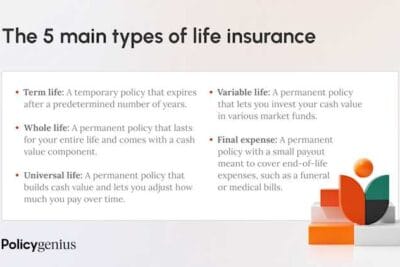
Term life insurance is one of the most popular and cost-effective ways to secure financial protection for your loved ones. Unlike permanent life insurance, which provides coverage for a lifetime and includes a cash value component, term life insurance offers temporary but affordable coverage designed to provide financial security during key life stages.
What is Term Life Insurance?
Term life insurance is a temporary life insurance policy that provides coverage for a specified period, typically ranging from 10 to 30 years. If the policyholder passes away during the active term, the beneficiaries receive a tax-free death benefit. However, if the policy expires and the policyholder is still alive, there is no payout unless the policy is renewed or converted into a permanent plan.
Unlike whole life or universal life insurance, term life insurance does not accumulate cash value, making it a more affordable option for individuals who need coverage for a specific financial obligation, such as:
- Replacing lost income for dependents
- Covering mortgage payments
- Paying for children's education
- Managing outstanding debts
- Providing financial stability for a spouse or partner
Since term life insurance focuses only on providing a death benefit without an investment or savings component, policyholders can secure higher coverage amounts at lower premiums compared to permanent life insurance policies.
Benefits of Term Life Insurance
1. Affordability
One of the biggest advantages of term life insurance is its low cost compared to permanent policies.
- Lower premiums: Term policies only provide a death benefit, making them significantly cheaper than permanent life insurance.
- More coverage for less money: Since there is no savings or investment component, policyholders can afford larger death benefits at lower monthly costs.
- Cost-effective financial protection: Ideal for young families, new homeowners, and individuals with limited budgets who need coverage during high-responsibility years.
Example: A healthy 30-year-old non-smoker can secure $500,000 in coverage for a 20-year term at a much lower premium compared to a permanent policy of the same amount.
2. Simplicity
Term life insurance is a straightforward policy with clear terms and benefits.
- Easy to understand: Unlike permanent life insurance, which involves investment options, cash value accumulation, and loan provisions, term life insurance is purely about protection.
- No complicated components: Policyholders pay a fixed premium for the selected term and receive a lump-sum payout if they pass away during the term.
- Predictable costs: Premiums remain level (fixed) for the chosen term length, making it easy to budget for long-term financial planning.
Unlike whole or universal life insurance, there are no cash withdrawals, loan options, or fluctuating interest rates—just simple, affordable coverage.
3. Flexibility
Term life insurance policies offer various customization options to meet different financial goals.
- Multiple term lengths: Policies typically range from 10, 15, 20, 25, or 30 years, allowing individuals to choose coverage that aligns with their financial responsibilities.
- Customizable coverage amounts: Policyholders can select coverage that matches their financial obligations, from $100,000 to several million dollars.
- Convertible options: Many term policies allow conversion into permanent life insurance without requiring a new medical exam, providing long-term flexibility if financial needs change.
- Renewable terms: Some insurers offer renewable term policies, allowing policyholders to extend coverage beyond the initial term (though at a higher premium).
This flexibility makes term life insurance a great choice for families, business owners, and individuals with temporary financial responsibilities.
How Term Life Insurance Works
1. Choosing a Term Length
The best term length depends on your financial situation and long-term goals. Consider:
- Shorter terms (10-15 years): Ideal for individuals nearing retirement or with short-term financial obligations.
- Medium terms (20 years): Suitable for those with young children or a mortgage to ensure financial security for dependents.
- Longer terms (25-30 years): Best for younger individuals who need long-term protection at a locked-in rate.
2. Determining Coverage Amount
When deciding how much coverage you need, consider:
- Annual income replacement (typically 10-12 times your salary)
- Outstanding debts (mortgage, student loans, credit cards, etc.)
- Future expenses (college tuition, childcare, medical bills)
- Funeral costs and final expenses
Example: A person earning $50,000 per year should consider at least a $500,000 policy to cover income replacement and financial obligations.
3. Paying Premiums
Premiums are fixed during the policy term and can be paid monthly, quarterly, or annually. The cost depends on:
- Age (younger applicants pay lower premiums)
- Health (medical conditions can increase costs)
- Lifestyle factors (smoking, hazardous occupations, or risky hobbies affect pricing)
- Coverage amount and term length
4. Beneficiary Payout
If the policyholder passes away within the term, the designated beneficiaries receive a tax-free lump sum payout, which can be used for:
- Paying off debts
- Covering daily living expenses
- Funding children's education
- Providing long-term financial security
Who Should Consider Term Life Insurance?
Term life insurance is ideal for:
✔ Young families who want to protect dependents financially
✔ New homeowners with a mortgage to pay off
✔ Business owners looking to safeguard financial commitments
✔ Parents planning for children's education expenses
✔ Individuals seeking budget-friendly coverage
✔ Anyone with temporary financial obligations
However, if you need lifelong coverage or a policy with cash value accumulation, a permanent life insurance policy (such as whole life or universal life) might be a better fit.
Factors Influencing Term Life Insurance Premiums
When purchasing term life insurance, several factors determine the cost of premiums. Insurance companies assess the risk level of each applicant and adjust pricing accordingly. Understanding these factors can help you secure affordable rates and choose the best policy for your needs.
Below are the key elements that impact term life insurance premiums:
1. Age and Health
Age: The Younger, the Cheaper
One of the most significant factors in determining life insurance premiums is age. Generally:
- Younger applicants pay lower premiums because they have a longer life expectancy and lower health risks.
- Older individuals face higher costs as they are more likely to develop medical conditions and have a shorter life expectancy.
For example: A 30-year-old non-smoker may pay half the premium of a 50-year-old for the same coverage amount. This is why purchasing a policy early can save thousands of dollars in long-term costs.
Health Status: The Impact of Medical Conditions
Insurance companies evaluate an applicant’s current health and medical history through:
- Medical questionnaires
- Medical exams (if required)
- Review of pre-existing conditions
Applicants in good health receive lower premiums, while those with chronic illnesses may pay higher rates or face coverage restrictions.
Common health conditions that increase premiums:
✔ High blood pressure
✔ Diabetes
✔ Heart disease
✔ Obesity
✔ History of cancer
✔ Smoking-related conditions
Ways to lower premiums based on health:
- Maintain a healthy lifestyle (exercise, balanced diet)
- Quit smoking (smokers pay significantly higher rates)
- Manage pre-existing conditions (controlled health issues result in better rates)
2. Policy Term Length
The length of your term policy affects the cost of premiums. Generally:
- Shorter terms (10-15 years) → Lower premiums because the insurer assumes less risk.
- Longer terms (20-30 years) → Higher premiums since the insurer covers a longer period and assumes greater risk of payout.
Choosing the Right Term Length:
✔ Short-term policies (10-15 years): Ideal for individuals with short-term financial obligations, such as paying off small debts.
✔ Medium-term policies (20 years): Suitable for those with young children or a mortgage to ensure financial protection.
✔ Long-term policies (25-30 years): Best for young adults who want to lock in low premiums for extended coverage.
Many insurers allow policy conversion, meaning you can start with a short-term policy and later convert it to a longer-term or permanent policy if your needs change.
3. Coverage Amount
Higher Coverage = Higher Premiums
The death benefit amount directly influences the premium cost.
- Higher coverage amounts result in higher premiums because the insurer assumes a larger financial risk.
- Lower coverage amounts reduce premiums but may not offer sufficient protection.
How to Assess the Right Coverage Amount
When choosing coverage, consider:
✔ Income replacement: Experts recommend selecting 10-12 times your annual salary to cover living expenses for dependents.
✔ Outstanding debts: Mortgage, student loans, personal loans, and credit card balances.
✔ Future expenses: Education costs for children, medical expenses, and emergency funds.
✔ Final expenses: Funeral and burial costs, legal fees, and estate taxes.
Example Coverage Calculation:
- Annual income: $60,000
- Mortgage balance: $200,000
- College savings goal: $100,000
- Estimated final expenses: $15,000
- Recommended coverage amount: $875,000 - $1,000,000
Choosing the right balance between affordability and protection ensures your loved ones are financially secure.
Additional Factors That Affect Premiums
1. Lifestyle Choices
Certain lifestyle habits increase insurance costs due to higher health risks:
- Smoking and tobacco use: Smokers pay 50-100% more in premiums than non-smokers.
- Alcohol consumption: Excessive drinking can lead to higher rates or denied coverage.
- High-risk activities: Insurers charge more for individuals who engage in extreme sports, skydiving, scuba diving, or racing.
2. Gender
- Women generally pay lower premiums than men because they have a higher life expectancy.
- Men typically pay higher rates due to a higher risk of heart disease and shorter life expectancy.
3. Family Medical History
Even if you are currently healthy, a family history of chronic diseases (e.g., heart disease, cancer, diabetes) can lead to higher premiums.
4. Occupation
Jobs with higher physical risks (e.g., firefighters, construction workers, pilots) often come with higher insurance rates due to the greater likelihood of injury or premature death.
How to Reduce Term Life Insurance Premiums
✔ Buy Early
Purchasing life insurance at a younger age secures lower rates. The longer you wait, the more expensive policies become.
✔ Maintain a Healthy Lifestyle
- Exercise regularly and maintain a healthy diet.
- Avoid tobacco and excessive alcohol consumption.
- Keep medical conditions under control (e.g., diabetes, hypertension).
✔ Compare Multiple Quotes
Different insurers assess risk differently. Comparing at least 3-5 quotes helps you find the best rate for your profile.
✔ Opt for a Shorter Term if Possible
If you only need coverage for a specific period, choosing a shorter term (10-15 years) reduces premium costs.
✔ Consider No-Medical-Exam Policies
If you are young and healthy, some insurers offer simplified-issue policies without requiring a medical exam, leading to faster approvals and competitive pricing.
Strategies to Secure Affordable Term Life Insurance
Term life insurance is an essential financial tool that provides security for your loved ones at an affordable cost. However, many factors influence premium rates, and knowing how to navigate the selection process can help you secure the best coverage at the lowest possible price. Below are effective strategies to find and maintain affordable term life insurance while ensuring adequate protection.
1. Compare Multiple Quotes
One of the most effective ways to lower your life insurance costs is by shopping around and comparing multiple providers. Insurance companies use different underwriting criteria, which means premiums can vary significantly between providers for the same coverage amount and term length.
How to Compare Quotes Effectively
✔ Shop Around:
- Get quotes from at least three to five different insurers to find the best rates.
- Some companies specialize in lower premiums for young, healthy individuals, while others may offer better rates for those with pre-existing conditions.
✔ Use Online Tools:
- Many websites and insurance marketplaces allow you to compare multiple policies side by side.
- These tools streamline the process and help identify the most cost-effective coverage.
✔ Work with an Independent Insurance Broker:
- Brokers have access to multiple insurance providers and can help you find the best policy based on your specific needs and health profile.
- They can also negotiate better rates with insurers.
By comparing multiple offers, you ensure you’re not overpaying for coverage and maximize your savings.
2. Maintain a Healthy Lifestyle
Insurance companies evaluate your health when determining premium rates. Maintaining good overall health can significantly lower your premiums and increase your chances of approval at preferred rates.
Key Health Factors That Impact Premiums
✔ Regular Exercise and Balanced Diet:
- Helps maintain healthy blood pressure, cholesterol, and BMI levels.
- Reduces the risk of developing chronic conditions such as heart disease and diabetes.
✔ Avoid Tobacco and Excessive Alcohol:
- Smokers pay 50-100% more for life insurance than non-smokers.
- Quitting smoking for at least 12 months can qualify you for non-smoker rates.
- Excessive alcohol consumption can lead to higher premiums due to associated health risks.
✔ Schedule Regular Health Checkups:
- Early detection and management of health conditions can prevent premium increases.
- Some insurers offer discounts for individuals who undergo regular health screenings.
By making healthy lifestyle choices, you can lower your insurance premiums and improve your overall well-being.
3. Choose the Appropriate Term Length
Selecting the right term length is crucial to ensuring you have sufficient coverage without overpaying for unnecessary years of protection.
How to Align Your Term Length with Financial Obligations
✔ Consider Major Financial Commitments:
- Choose a term that lasts until your dependents are financially independent.
- Ensure the coverage aligns with your mortgage, children’s education costs, and other long-term expenses.
✔ Shorter Terms for Lower Premiums:
- A 10- or 15-year term policy is often more affordable than a 30-year term.
- Best suited for individuals who need temporary protection for a specific financial obligation (e.g., paying off a short-term loan).
✔ Longer Terms for Greater Security:
- A 20- or 30-year term is ideal for young families who need coverage for an extended period.
- Ensures that dependents are protected throughout childhood and early adulthood.
Choosing the right term length ensures that you don’t overpay for unnecessary coverage while still protecting your family’s financial future.
4. Consider Policy Riders Carefully
Policy riders are optional add-ons that enhance coverage but can also increase premium costs. While some riders provide valuable benefits, others may not be necessary for everyone.
Which Riders Are Worth Considering?
✔ Accelerated Death Benefit Rider:
- Allows you to access a portion of your death benefit if diagnosed with a terminal illness.
- Often included at no additional cost in many term life policies.
✔ Waiver of Premium Rider:
- Waives your premium payments if you become disabled or unable to work.
- Helps ensure your policy remains active even if you experience financial hardship.
✔ Child Term Rider:
- Provides coverage for dependent children under your policy.
- Converts into a separate life insurance policy when the child reaches adulthood.
Riders to Avoid If Unnecessary
- Return of Premium Rider: This rider refunds your premiums if you outlive the policy, but it significantly increases premiums and may not be cost-effective.
- Accidental Death Benefit Rider: Pays an extra benefit if you die in an accident, but it doesn’t cover natural causes, making it less comprehensive than standard life insurance.
Choose only the riders that provide real value, ensuring you get the most cost-effective coverage.
5. Review Employer-Provided Options
Many employers offer group life insurance as part of their benefits package, but relying solely on employer-provided coverage can leave you underinsured.
Key Considerations for Employer-Provided Life Insurance
✔ Coverage Amount May Be Insufficient:
- Most employer-sponsored policies cover only 1-2 times your annual salary, which is often not enough to protect your family.
- Experts recommend having coverage of at least 10-12 times your income.
✔ Limited Portability:
- Employer-provided life insurance ends if you leave your job.
- Consider purchasing an individual policy to maintain coverage even if you change jobs.
✔ Supplemental Individual Policy May Be Needed:
- If your employer offers life insurance at a low cost, take advantage of it but consider additional coverage if the amount is too low.
- Many companies allow employees to purchase additional voluntary life insurance at discounted group rates.
By assessing employer coverage and supplementing it with an individual policy, you ensure that your family remains financially secure, regardless of career changes.
Common Mistakes to Avoid
Purchasing term life insurance is a critical financial decision, but many individuals make avoidable mistakes that can lead to higher costs, inadequate coverage, or complications during claims processing. To ensure that you get the best policy at the best price, avoid these common pitfalls when selecting your life insurance plan.
1. Procrastination
Delaying Purchase Increases Premiums
One of the most costly mistakes people make is putting off purchasing life insurance. Life insurance premiums increase with age, and the longer you wait, the more expensive your policy will become.
✔ Younger applicants enjoy lower premiums because they are generally healthier and present less risk to insurers.
✔ Delaying the purchase increases costs even if you remain healthy.
✔ Health risks increase with age, and developing medical conditions could lead to higher premiums or denial of coverage.
Example: A 30-year-old non-smoker might pay $25 per month for a 20-year term policy with a $500,000 death benefit. If that same person waits until age 40, the cost could double or even triple for the same coverage.
How to Avoid This Mistake:
✔ Buy life insurance as early as possible to lock in a lower premium for a longer term.
✔ Don’t wait until you experience a health issue—you may no longer qualify for affordable rates.
✔ Even if you think you don’t need coverage yet, securing a policy now can save you thousands of dollars over time.
2. Underinsuring
Choosing Insufficient Coverage
Many people underestimate how much coverage they need, leaving their families financially vulnerable. The purpose of life insurance is to replace lost income, cover outstanding debts, and support dependents. Choosing an insufficient death benefit can result in financial hardship for your loved ones.
✔ Employer-provided coverage is often not enough—most workplace policies only cover 1-2 times your salary, while financial experts recommend at least 10-12 times your annual income.
✔ Failing to account for inflation and future expenses can leave dependents struggling financially.
✔ A low-coverage policy may not cover essential financial obligations, such as mortgage payments, education costs, or daily living expenses.
How to Avoid This Mistake:
✔ Use the 10-12 times annual income rule as a baseline for coverage needs.
✔ Consider all financial obligations, including mortgage, education, outstanding debts, and final expenses.
✔ Use a life insurance calculator to determine the appropriate coverage amount for your specific situation.
3. Overlooking Policy Details
Ignoring Exclusions and Terms
Many policyholders fail to review their policy details, leading to unexpected issues when their beneficiaries file a claim. Life insurance policies come with specific terms, conditions, and exclusions that you must understand before purchasing.
✔ Common Policy Exclusions:
- Suicide (typically within the first two years of the policy)
- Death due to high-risk activities (e.g., skydiving, extreme sports)
- Pre-existing health conditions not disclosed in the application
- Certain occupational hazards not covered by standard policies
✔ Understanding Policy Lapse Rules:
- Missing premium payments can result in policy termination.
- Some policies offer a grace period, but reinstatement may require higher premiums or a new medical exam.
✔ Not Updating Beneficiaries:
- Failing to update your beneficiaries after life changes (e.g., marriage, divorce, birth of children) can cause legal disputes.
How to Avoid This Mistake:
✔ Read the entire policy document and ask questions if you don’t understand the terms.
✔ Review the policy exclusions and ensure it meets your needs.
✔ Regularly update your beneficiaries to reflect your current wishes.
4. Not Comparing Multiple Quotes
Settling for the First Offer
Failing to compare multiple insurance providers can lead to higher premiums and inadequate coverage. Different insurers use different underwriting methods, meaning the same person can receive varying premium rates from different companies.
✔ Premium rates vary widely depending on the insurer’s risk assessment process.
✔ Some insurers specialize in covering individuals with pre-existing conditions at better rates.
✔ By not comparing options, you might miss out on discounts, better coverage, or more flexible policy features.
How to Avoid This Mistake:
✔ Get at least 3-5 quotes from different insurance providers.
✔ Use online comparison tools to quickly evaluate policy options.
✔ Work with an independent insurance broker who can access multiple insurers and find you the best deal.
Top Affordable Term Life Insurance Providers
Selecting the right term life insurance policy is crucial for ensuring your loved ones' financial security without overextending your budget. Below is a detailed overview of some top providers known for their affordable and flexible term life insurance options.
1. Banner Life
Competitive Premiums: Banner Life consistently offers some of the most affordable term life insurance rates in the industry, making it a popular choice for budget-conscious individuals.
Flexible Term Lengths: Policies are available with term lengths of 10, 15, 20, 25, 30, 35, and 40 years, allowing you to select a duration that aligns with your financial obligations.
High Coverage Limits: Banner Life offers policies with coverage amounts up to $1 million, accommodating substantial protection needs.
No Medical Exam Options: Qualified applicants may obtain coverage without undergoing a medical examination, streamlining the application process.
Financial Strength: With an A+ rating from A.M. Best, Banner Life demonstrates excellent financial stability, ensuring reliable claim payouts.
2. Corebridge Direct
Budget-Friendly Policies: Corebridge Direct provides term life insurance coverage starting as low as $13 per month for $250,000 in coverage, making it accessible for many families.
Simplified Application: Many policies do not require medical exams, expediting the approval process and making it easier to obtain coverage.
Customer Satisfaction: Corebridge Direct has received positive feedback for its knowledgeable agents and efficient, pressure-free application process.
3. Progressive
Short-Term Coverage: Progressive offers unique one-year, renewable term policies, providing flexibility for those seeking temporary coverage solutions.
No Medical Exam: Policies are available without the need for a medical examination, allowing for quicker approval and convenience.
Flexible Options: Coverage amounts range up to $2 million, suitable for various financial obligations and providing peace of mind.
Partnerships for Variety: Progressive collaborates with eFinancial to offer a range of life insurance options, ensuring policies that fit different budgets and coverage needs.
4. Liberty Mutual
Customizable Policies: Liberty Mutual provides term life insurance with various term lengths and coverage options, allowing you to tailor a policy to your specific needs.
Financial Stability: As a reputable company, Liberty Mutual ensures reliable claim payouts, backed by its strong financial standing.
Additional Resources: The company offers tools and guidance to help you choose the right coverage within your budget, making the decision-making process more straightforward.
5. GEICO
Affordable Options: GEICO partners with multiple insurers to offer competitive term life insurance rates, providing a variety of options to suit different financial situations.
Convenient Process: An easy online quote system simplifies obtaining coverage, and some policies may not require a medical exam, enhancing convenience.Flexible Terms: Various term lengths and coverage amounts are available, allowing you to select a policy that aligns with your financial goals and obligations.
Business health plans

Employee health insurance

Get health insurance for my business

Cigna group health

Buy pet insurance online

Child life insurance

Buy term life insurance

Pets best health insurance

Pets best cat insurance

Business medical insurance quote

Business health insurance coverage

Instant life insurance

Business health insurance

Pets best dog insurance

Corporate Health Insurance: A Guide
Policygenius life insurance

Amica life insurance

Corporate medical insurance for employees
Content that may interest you