

Child life insurance
Child life insurance is a topic that often raises questions among parents and guardians. Understanding its purpose, benefits, and potential drawbacks is essential for making informed decisions about your child's financial future.
Securing your child's future involves more than just daily care and education; it also encompasses financial planning. One aspect to consider is child life insurance—a policy designed to provide financial protection and potential savings for your child as they grow. This article delves into the intricacies of child life insurance, helping you determine if it's the right choice for your family.
What Is Child Life Insurance?
Definition and Purpose
Child life insurance is a type of permanent life insurance designed to cover the life of a minor. While life insurance is commonly associated with providing financial support after the death of an income-earning adult, child life insurance serves a different purpose. It has two primary functions:
- Financial Protection: In the unfortunate event of a child's passing, the policy provides a death benefit that can help cover funeral expenses, medical bills, and other unexpected costs. This can relieve families from financial burdens during an already difficult time.
- Long-Term Financial Planning: Certain child life insurance policies, specifically whole life insurance, build cash value over time. This accumulated cash can be accessed later in life, serving as a financial asset that can contribute to major life expenses, such as education, home ownership, or starting a business.
Unlike traditional life insurance, which is typically designed to replace lost income, child life insurance is more about financial security and investment. Many parents or guardians opt for these policies as a way to lock in low premiums and guarantee coverage regardless of future health conditions.
Types of Policies Available
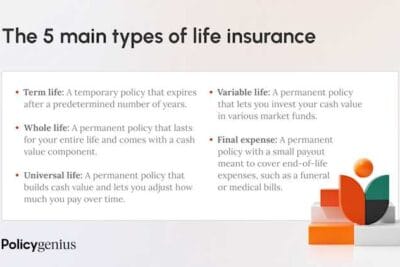
There are two main types of child life insurance: whole life insurance and term life insurance. Each comes with its own set of benefits and limitations.
1. Whole Life Insurance for Children
Whole life insurance is a permanent form of life insurance, meaning it provides coverage for the child's entire lifetime as long as premiums are paid.
Key Features of Whole Life Insurance:
- Lifelong Coverage: Unlike term life insurance, whole life policies do not expire as long as premiums are maintained.
- Fixed Premiums: The cost of the policy remains the same over time, which is beneficial since rates are locked in at a young age.
- Cash Value Growth: A portion of the premiums paid goes into a cash value account, which grows over time at a guaranteed rate.
- Loan or Withdrawal Options: As the cash value accumulates, the policyholder can borrow against it or withdraw funds for significant expenses.
Benefits of Whole Life Insurance:
- Guaranteed Insurability: Regardless of future health conditions, the insured child will have lifelong coverage.
- Financial Asset for the Future: The cash value component can be used for college tuition, homeownership, or emergency financial needs.
- Potential Dividends: Some insurance providers offer policies that pay dividends, which can be reinvested into the policy to further increase its value.
Drawbacks of Whole Life Insurance:
- Higher Cost: Whole life insurance is more expensive than term life insurance due to its lifelong coverage and cash value benefits.
- Slower Growth Compared to Other Investments: While it accumulates value, the growth rate of whole life insurance cash value is typically lower than other financial investments like mutual funds or 529 college savings plans.
2. Term Life Insurance for Children
Term life insurance is a temporary form of life insurance that provides coverage for a specific period, usually until the child reaches adulthood (e.g., 18 or 25 years old). Unlike whole life insurance, it does not build cash value.
Key Features of Term Life Insurance:
- Set Coverage Period: The policy lasts for a predetermined number of years and does not continue beyond the term unless converted into a permanent policy.
- Lower Premiums: Term policies are significantly cheaper than whole life insurance since they do not accumulate cash value.
- No Cash Value Component: These policies solely provide a death benefit without any financial investment or savings element.
Benefits of Term Life Insurance:
- Affordable Coverage: Ideal for parents who want coverage without a long-term financial commitment.
- Simple and Easy to Obtain: Typically requires minimal underwriting, making it a straightforward option.
- Convertible to Permanent Life Insurance: Some insurers allow term life insurance to be converted into a permanent policy before the term ends, ensuring continued coverage.
Drawbacks of Term Life Insurance:
- No Cash Value Growth: Unlike whole life insurance, term life insurance does not accumulate any savings.
- Coverage Ends After the Term: Once the policy expires, the child will need to obtain a new policy at an older age, which may come with higher premiums.
Which Type of Child Life Insurance Is Right for You?
The decision between whole life and term life insurance depends on your financial goals and needs.
- If you're looking for a long-term financial asset that builds cash value and guarantees lifelong coverage, whole life insurance may be the best option.
- If you only need temporary coverage at a lower cost, term life insurance is a more budget-friendly choice.
Parents should carefully evaluate the costs, benefits, and long-term financial goals before purchasing a child life insurance policy. Consulting with a licensed insurance professional can also help ensure the best decision for your child's future.
Benefits of Child Life Insurance
Child life insurance offers a range of benefits that extend beyond just providing financial support in the unfortunate event of a child’s passing. These policies can serve as long-term financial planning tools, ensuring future insurability, locking in affordable premiums, and accumulating cash value over time. However, they also come with certain cost considerations and investment limitations that families should carefully evaluate before committing to a policy.
Benefits of Child Life Insurance
1. Guaranteed Insurability
One of the most significant advantages of purchasing a child life insurance policy is guaranteed insurability. This means that once a policy is in place, the child remains covered for life, regardless of any future health conditions.
- Protection Against Future Health Issues: If a child develops a chronic illness, such as diabetes, heart disease, or cancer later in life, they may struggle to obtain life insurance or may face prohibitively high premiums. A child life insurance policy ensures continuous coverage, even if they become uninsurable due to health conditions.
- No Medical Exam Required for Future Coverage: Many policies include a guaranteed purchase option, allowing the insured to increase their coverage as an adult without undergoing a medical exam or proving insurability. This is especially beneficial for individuals with a family history of hereditary diseases.
- Peace of Mind for Parents: Parents can rest assured that their child will always have access to life insurance, which can be particularly valuable if the child pursues a career with potential health risks (e.g., military service, hazardous occupations).
2. Locked-In Premiums
Child life insurance policies offer fixed premiums, which remain the same for the entire duration of the policy.
- Lower Rates Due to Age: Premiums for life insurance are primarily based on age and health. Since children are low-risk policyholders, their premiums are significantly lower than those of adults.
- Lifetime Affordability: Locking in a low premium at a young age means the insured will continue paying the same amount throughout their life, even as they age or develop health conditions.
- Financial Predictability: Parents and policyholders can better plan long-term finances without worrying about unexpected premium increases.
For example, a child who gets a policy at age 5 may pay $15–$30 per month, whereas an adult purchasing a similar policy at age 35 might pay $60–$100 per month—a substantial difference over a lifetime.
3. Cash Value Accumulation
One of the unique benefits of whole life insurance for children is the cash value component. A portion of the premiums paid goes into a savings-like account, which accumulates value over time.
How Cash Value Works:
- Tax-Deferred Growth: The accumulated cash value grows on a tax-deferred basis, meaning policyholders are not taxed on the earnings as they grow.
- Accessible Funds: The policyholder can borrow against the cash value or make partial withdrawals for significant life expenses, such as:
- Higher education tuition
- Buying a first home
- Starting a business
- Emergency medical expenses
- Compounded Growth Over Time: Unlike traditional savings accounts, the cash value increases over the years, often at a guaranteed interest rate set by the insurer.
🔹 Example: If a parent purchases a whole life insurance policy for their child at birth, by the time the child reaches 18–25 years old, the policy could have several thousand dollars in accumulated cash value, depending on the premium payments and interest rate.
Limitations of Cash Value Accumulation:
- Lower Growth Compared to Other Investments: While the cash value grows, the rate of return is typically lower than other investment vehicles like mutual funds, 529 college savings plans, or retirement accounts.
- Withdrawal Consequences: If funds are withdrawn or borrowed, it may reduce the death benefit unless the amount is repaid.
Potential Drawbacks of Child Life Insurance
While child life insurance provides valuable benefits, it is not always the best financial decision for every family. The following factors should be carefully evaluated before purchasing a policy.
1. Cost Considerations
Although child life insurance premiums are lower than those for adults, they still represent a long-term financial commitment.
- Lifetime Payments Required for Continuous Coverage: Unlike term life insurance, whole life insurance requires ongoing premium payments to keep the policy active. This can become a burden if financial circumstances change.
- Weighing Cost vs. Need: Many financial advisors argue that child life insurance is not essential unless the child has pre-existing conditions or a family history of severe illness. If the primary goal is financial protection, investing in savings accounts or college funds may be a better option.
🔹 Example:
- A $25,000 whole life insurance policy for a child may cost $25–$50 per month for 20+ years—a significant investment.
- If that same amount were put into a 529 college savings plan or mutual fund, it could potentially grow to a much larger sum by the time the child reaches adulthood.
2. Rate of Return Compared to Other Investments
The cash value accumulation of child life insurance policies is often outperformed by other financial investments.
- Lower Annual Returns: The interest rate on whole life policies is typically between 1% and 4%, whereas other investments like stocks, mutual funds, or index funds may yield 5%–10% per year over the long term.
- Alternative Investment Options: Instead of purchasing child life insurance, families may consider:
- 529 College Savings Plan (offers tax advantages and higher returns)
- Custodial Accounts (UGMA/UTMA) (allows broader investment options)
- Roth IRA for Children (ideal for long-term retirement savings with tax benefits)
Comparison of Growth Potential:
| Investment Type | Estimated Annual Return | Liquidity | Primary Purpose |
| Child Life Insurance (Whole) | 1% – 4% | Moderate (Loans/Withdrawals) | Life insurance & savings |
| 529 College Plan | 6% – 8% | Limited (for education expenses) | Education savings |
| Custodial Account (UGMA/UTMA) | 5% – 10% | High | General savings/investments |
| Roth IRA for Children | 6% – 10% | Limited (Retirement use) | Retirement & long-term savings |
This comparison illustrates that while child life insurance provides stability, it may not be the most efficient way to grow wealth.
Factors to Consider Before Purchasing
Purchasing a child life insurance policy is a long-term financial commitment, and it's essential to evaluate whether it aligns with your family's needs and goals. Before deciding, consider key factors such as family medical history, financial objectives, and alternative savings options. These aspects will help determine whether child life insurance is the right choice or if other financial tools might better serve your child’s future.
1. Family Medical History
One of the most compelling reasons to purchase child life insurance early is to guarantee insurability—especially if your family has a history of medical conditions that could affect eligibility for life insurance later in life.
Why Family Health History Matters in Life Insurance
- Pre-existing Conditions Can Affect Future Insurability: Some health conditions, such as diabetes, heart disease, or genetic disorders, may disqualify individuals from obtaining affordable life insurance as adults. A child life insurance policy ensures lifelong coverage, regardless of future medical diagnoses.
- Chronic Illnesses and High-Risk Conditions: If parents or grandparents have a history of conditions such as hypertension, cancer, or autoimmune diseases, children may be at higher risk of developing these conditions later. Obtaining life insurance early guarantees access to coverage at the lowest rates.
- Mental Health Considerations: Many insurers evaluate an individual’s mental health when determining eligibility. Conditions such as depression, anxiety, or bipolar disorder can make obtaining life insurance more challenging as an adult.
Who Should Prioritize Child Life Insurance Based on Family History?
You may want to strongly consider purchasing a child life insurance policy if:
✅ There is a family history of serious illnesses or hereditary diseases.
✅ There is a possibility that your child may develop a chronic condition in adulthood.
✅ Mental health conditions run in the family and could affect future eligibility.
✅ The child is involved in high-risk activities (e.g., extreme sports, potential dangerous career paths like firefighting or military service).
2. Financial Goals
Before purchasing a child life insurance policy, assess your long-term financial objectives and how such a policy fits into your broader financial plan.
Key Questions to Ask Yourself:
- What is the primary goal of this policy? Are you looking for financial protection, investment growth, or both?
- Do you have other financial priorities? Would this money be better allocated to college savings, retirement funds, or other investments?
- Can you afford the long-term commitment? Whole life insurance policies require ongoing premium payments—does this fit within your budget?
Pros and Cons of Child Life Insurance as a Financial Tool
| Financial Factor | Pros of Child Life Insurance | Cons of Child Life Insurance |
| Long-Term Security | Provides guaranteed insurability and lifelong coverage | Not essential if other financial protections are in place |
| Cost-Effectiveness | Locks in low premiums for life | Money may be better invested elsewhere |
| Cash Value Growth | Accumulates tax-deferred savings over time | Growth is slower compared to other investments |
| Flexibility | Funds can be borrowed or withdrawn later | Loans reduce the death benefit if not repaid |
Best Scenarios for Using Child Life Insurance in Financial Planning
✔️ As a supplement to a diversified financial plan: If you already have savings and investments in place, child life insurance can be a useful addition to protect against unexpected events.
✔️ For families with strong financial stability: If you can comfortably afford long-term premium payments, child life insurance can serve as a safe, conservative financial asset.
✔️ As a long-term wealth-building tool: If the policy is kept in force, the cash value component can act as a low-risk financial resource in the future.
If your financial priority is generating higher returns, you may want to explore alternative investment options that offer better growth potential.
3. Alternative Savings Options
While child life insurance provides certain financial benefits, there are other savings and investment tools that may yield higher returns and offer more flexibility. Before committing to a life insurance policy, compare it to other financial options that might better support your child's future.
Comparison of Alternative Savings Options
| Savings Option | Primary Purpose | Annual Growth Potential | Liquidity | Tax Benefits |
| Child Life Insurance (Whole) | Provides life coverage & builds cash value | 1% – 4% | Moderate (Loans/Withdrawals) | Tax-deferred growth |
| 529 College Savings Plan | Education savings | 6% – 8% | Limited (for education expenses) | Tax-free withdrawals for education |
| Custodial Account (UGMA/UTMA) | General savings for child’s future | 5% – 10% | High | Taxed at child's rate |
| Roth IRA for Children | Long-term retirement savings | 6% – 10% | Limited (Retirement-focused) | Tax-free withdrawals after age 59½ |
| Savings Bonds | Low-risk savings | 1% – 3% | Low | Interest may be tax-exempt if used for education |
Key Considerations for Alternative Savings Options
1. 529 College Savings Plan (Best for Education Savings)
- Specifically designed to cover higher education costs.
- Contributions grow tax-free, and withdrawals for education expenses are not taxed.
- May offer state tax deductions depending on the state of residence.
2. Custodial Accounts (UGMA/UTMA) (Best for General Savings)
- Provides flexibility—funds can be used for any expense that benefits the child (not just education).
- Child gains full control of the account at age 18 or 21, depending on state laws.
- Subject to kiddie tax rules, which may affect tax liability.
3. Roth IRA for Children (Best for Long-Term Growth)
- Ideal for teaching children about retirement savings from an early age.
- Contributions are made with after-tax dollars, and withdrawals are tax-free after age 59½.
- Requires earned income, so the child must have a job or business to contribute.
4. High-Yield Savings Accounts or Bonds (Best for Conservative Growth)
- Low risk, making them suitable for families who prefer financial security over high returns.
- Suitable for short-term savings but may not keep up with inflation over time.
How to Choose the Right Policy
Selecting the right child life insurance policy requires careful evaluation of multiple factors, including coverage needs, insurance providers, and policy terms. Since this is a long-term financial commitment, making an informed decision will help ensure the policy aligns with your family's financial goals and protection needs. Below is a comprehensive guide to help you navigate the selection process effectively.
1. Assess Coverage Needs
Before purchasing a policy, it is essential to determine the appropriate amount of coverage based on your family’s specific financial goals. Life insurance is not just about providing a death benefit; it can also serve as a financial asset that accumulates value over time.
Key Factors to Consider When Assessing Coverage Needs:
1.1 Purpose of the Policy
- Financial Protection: If your primary goal is financial security in case of unexpected events, a policy with a moderate death benefit may be sufficient.
- Investment and Savings: If you want the policy to act as a wealth-building tool, a whole life policy with cash value accumulation might be the best option.
- Guaranteed Insurability for the Future: If ensuring lifelong coverage is a priority, choosing a permanent life insurance plan with flexible coverage options is beneficial.
1.2 Choosing the Right Coverage Amount
Most child life insurance policies offer coverage amounts ranging from $10,000 to $100,000. The ideal coverage depends on:
- Family Budget: Higher coverage amounts come with higher premiums, so ensure it aligns with your financial capabilities.
- Long-Term Financial Goals: If the goal is to build cash value, choosing a higher coverage amount might result in greater long-term benefits.
- Future Conversion Options: Some policies allow you to increase coverage when the child becomes an adult without requiring medical exams.
1.3 Understanding Policy Types: Whole Life vs. Term Life Insurance
There are two main types of child life insurance:
| Policy Type | Best For | Coverage Duration | Cash Value Growth? | Affordability |
| Whole Life Insurance | Long-term security & investment | Lifetime (as long as premiums are paid) | Yes | Higher premiums |
| Term Life Insurance | Short-term coverage | Until a set age (usually 18–25) | No | Lower premiums |
2. Compare Insurance Providers
Not all insurance companies offer the same level of benefits, customer service, or financial stability. Choosing a reputable provider is crucial to ensuring that your child’s policy remains secure and beneficial in the long run.
Key Factors When Comparing Insurance Providers:
2.1 Financial Strength and Stability
Since life insurance is a long-term investment, it is critical to choose an insurer with a strong financial reputation. Look for:
- A.M. Best Ratings (A or higher)
- Moody’s or Standard & Poor’s (S&P) Ratings (A or higher)
- Company longevity and market reputation
2.2 Policy Features and Customization
- Does the provider offer whole life, term life, or both?
- Are there options to convert the policy to adult coverage?
- Are there additional riders available, such as waiver of premium or accidental death benefits?
2.3 Cost and Affordability
Compare premium rates across multiple insurers to determine which company offers the best value for the benefits included. Some companies offer discounts or special deals when bundling with other insurance products.
2.4 Customer Service and Claims Process
A policy is only as good as the service behind it. Research:
- Customer satisfaction ratings and reviews.
- Ease of filing claims (some companies have slow, complicated claims processes).
- Online account access and policy management tools.
2.5 Top Insurance Companies Offering Child Life Insurance
Here are a few well-known companies that specialize in child life insurance policies:
| Insurance Provider | Best Feature | Coverage Type |
| Gerber Life Insurance | Competitive whole life policies for children | Whole Life |
| Mutual of Omaha | Affordable rates and strong financial ratings | Whole & Term Life |
| Globe Life | No medical exam required | Whole Life |
| New York Life | High flexibility in coverage and investment options | Whole Life |
Comparing multiple providers will help you find the best combination of affordability, coverage, and customer service.
3. Understand Policy Terms
Reading the fine print is one of the most critical steps before committing to a child life insurance policy. Understanding premium structures, payout conditions, and access to cash value will help you make an informed decision.
3.1 Premium Amounts and Payment Structure
- Fixed vs. Adjustable Premiums: Some policies offer fixed premiums, while others increase over time.
- Payment Frequency: Choose between monthly, quarterly, or annual premium payments based on affordability.
- Premium Waiver Options: Some policies include a waiver of premium rider, meaning payments can be paused or waived under specific circumstances (e.g., if the parent dies or becomes disabled).
3.2 Death Benefit Conditions
- Are there any exclusions? Some policies have exclusions for pre-existing conditions or specific causes of death.
- How quickly are death benefits paid out? Look for policies that offer fast claim processing.
3.3 Accessing the Cash Value
For whole life policies, the cash value accumulation is a significant factor. You should understand:
- How fast the cash value grows.
- Loan options: Some policies allow you to borrow against the cash value.
- Withdrawal rules: Some policies allow partial withdrawals, while others may reduce the death benefit.
3.4 Conversion and Policy Flexibility
If you’re choosing term life insurance for a child, check if the policy allows conversion into a permanent policy without requiring a medical exam.
3.5 Policy Riders and Add-Ons
Certain riders can enhance the value of the policy:
- Guaranteed Insurability Rider: Allows the insured to increase coverage as an adult without undergoing a medical exam.
- Waiver of Premium Rider: Ensures the policy remains active even if the parent becomes disabled or passes away.
- Accidental Death Benefit: Provides an extra payout if the death is caused by an accident.
Corporate Health Insurance: A Guide
Policygenius life insurance

Business health plans

Pets best cat insurance

Business health insurance coverage

Business medical insurance quote

Corporate medical insurance for employees
Cheap term life insurance

Get health insurance for my business

Pets best dog insurance

Buy pet insurance online

Buy term life insurance

Business health insurance

Pets best health insurance

Amica life insurance

Employee health insurance

Cigna group health

Instant life insurance
Content that may interest you