

Business medical insurance quote
Securing a business medical insurance quote is a pivotal step for companies aiming to provide quality healthcare benefits to their employees. Offering comprehensive health coverage not only enhances employee satisfaction and retention but also ensures compliance with regulatory requirements. This guide delves into the essential aspects of obtaining a business medical insurance quote, helping you navigate the complexities and make informed decisions for your organization.
Understanding Business Medical Insurance
Business medical insurance is a crucial component of any company's employee benefits package, ensuring that workers have access to essential healthcare services while also providing financial and strategic advantages to employers. By offering group health insurance, businesses can attract top talent, enhance employee productivity, and reduce financial risks associated with medical expenses.
This guide explains what business medical insurance is, how it works, and the key benefits it provides to both employers and employees.
What Is Business Medical Insurance?
Definition and Overview
Business medical insurance, also known as group health insurance, is a healthcare policy purchased by employers to provide medical coverage to their employees. It helps workers manage healthcare costs by covering a wide range of medical services, including:
✔ Doctor visits – Primary care, specialist consultations, and urgent care.
✔ Hospital stays – Inpatient treatments, surgeries, and emergency care.
✔ Prescription medications – Coverage for generic and brand-name drugs.
✔ Preventive care – Routine check-ups, vaccinations, and health screenings.
✔ Mental health services – Therapy, counseling, and substance abuse treatment.
✔ Maternity and pediatric care – Prenatal check-ups, childbirth, and childcare services.
Employers typically share the cost of premiums with employees, making business medical insurance more affordable compared to individual health plans.
How Business Medical Insurance Works
1. Employer-Sponsored Coverage
- Businesses purchase health insurance plans from an insurance provider or broker.
- The employer contributes a portion of the premium, and employees pay the remaining share through payroll deductions.
- Coverage may extend to dependents (spouses and children), depending on the plan structure.
2. Group Purchasing Power Reduces Costs
- Since multiple employees are covered under a single plan, group rates are often lower than individual health insurance premiums.
- Insurance carriers offer discounted premiums due to the risk being spread across a larger pool of insured individuals.
3. Compliance with Federal and State Laws
- Businesses with 50 or more full-time employees are required under the Affordable Care Act (ACA) to offer affordable and minimum essential coverage (MEC) to avoid penalties.
- Some states have additional mandates, requiring specific coverage types and minimum employer contributions.
✔ Why It Matters?
Business medical insurance provides a structured and cost-effective way to ensure employees receive necessary healthcare services, contributing to a healthier and more stable workforce.
Benefits of Providing Health Insurance to Employees
Offering business medical insurance is more than just a legal obligation—it is a strategic investment in workforce well-being and business growth. Below are the key advantages of providing health coverage to employees.
1. Attracting and Retaining Top Talent
Why Health Benefits Matter for Recruitment and Retention
In a competitive job market, offering health insurance can set your company apart from others that do not provide such benefits. Employees prioritize healthcare coverage when choosing an employer, and businesses with strong health benefits have an advantage in attracting high-quality professionals.
✔ Competitive Hiring Edge:
- Job seekers prioritize companies that offer comprehensive health coverage.
- Businesses that provide medical benefits have higher applicant interest and better hiring success rates.
✔ Lower Turnover and Increased Employee Loyalty:
- Employees with access to quality healthcare are more likely to stay with their employer.
- Reducing turnover lowers recruitment and training costs, saving businesses thousands of dollars annually.
✔ Stronger Employer Branding:
- Companies that offer comprehensive health benefits are seen as desirable employers.
- Positive word-of-mouth from satisfied employees improves the company’s reputation in the job market.
✔ Why It Matters?
Providing business medical insurance enhances employee retention, reduces turnover costs, and makes a company more attractive to skilled professionals.
2. Tax Advantages for Employers
How Business Health Insurance Reduces Tax Burdens
Employers who offer group health insurance can benefit from significant tax incentives, including credits, deductions, and payroll tax savings.
✔ Small Business Health Care Tax Credit:
- Businesses with fewer than 25 full-time employees may qualify for a tax credit of up to 50% of premium costs.
- To be eligible, employers must:
- Offer coverage through the Small Business Health Options Program (SHOP).
- Cover at least 50% of employee premiums.
- Have an average employee salary of $58,000 or less per year (subject to adjustments).
✔ Tax Deductibility of Premiums:
- Employer-paid premiums are tax-deductible business expenses, reducing taxable income.
- This helps offset the costs of offering comprehensive benefits.
✔ Payroll Tax Savings:
- Employer contributions toward employee health insurance are not subject to payroll taxes.
- Employees can pay their share of premiums using pre-tax dollars, reducing their taxable income.
✔ Why It Matters?
Business medical insurance offers tax-saving opportunities that lower operational costs while ensuring compliance with healthcare regulations.
3. Enhanced Employee Productivity and Reduced Absenteeism
How Health Insurance Improves Workforce Performance
Providing health insurance directly impacts employee health, morale, and productivity, leading to a more efficient and engaged workforce.
✔ Access to Preventive Care and Early Treatment:
- Employees with regular access to healthcare are more likely to undergo preventive check-ups, reducing the risk of chronic illnesses.
- Early diagnosis and treatment prevent long-term medical complications, keeping employees healthier.
✔ Lower Absenteeism and Sick Leave:
- Workers with comprehensive health coverage take fewer sick days.
- Proper medical care helps employees recover faster, leading to higher attendance and productivity.
✔ Mental Health and Stress Reduction:
- Many business health plans include mental health coverage, helping employees manage stress, anxiety, and burnout.
- Employees with access to mental health services are more focused, engaged, and productive.
✔ Higher Workplace Morale and Job Satisfaction:
- When employees feel supported in their health and well-being, their motivation and commitment to their job increases.
- Businesses that invest in health benefits foster a culture of loyalty and appreciation.
✔ Why It Matters?
Providing business medical insurance enhances employee well-being, reduces absenteeism, and leads to a more productive workforce, directly benefiting company performance.
Types of Business Health Insurance Plans
Choosing the right business health insurance plan is crucial for balancing cost, coverage, and employee satisfaction. Employers have several health insurance models to choose from, each offering different levels of flexibility, cost-sharing, and risk management.
Below, we explore the primary types of business health insurance plans, including traditional group health insurance, Health Reimbursement Arrangements (HRAs), and self-funded health plans. Understanding these options will help employers make informed decisions that align with their business needs and workforce expectations.
1. Traditional Group Health Insurance Plans
Traditional group health insurance is the most common employer-sponsored coverage, where businesses purchase plans from an insurance provider, and both the employer and employees share the cost of premiums.
Key Features of Traditional Group Health Plans:
✔ Employer-Sponsored Coverage: The employer selects a plan provider and coverage options.
✔ Cost Sharing: Employers cover a portion of the premiums, while employees contribute through payroll deductions.
✔ Lower Premiums for Employees: Group plans generally cost less per employee than individual health insurance.
✔ Broad Coverage Options: Includes doctor visits, hospital stays, prescription drugs, and preventive care.
Types of Traditional Group Health Plans:
1.1 Health Maintenance Organizations (HMOs)
HMO plans offer lower premiums and out-of-pocket costs but require employees to use a network of approved doctors and healthcare providers.
Key Characteristics of HMOs:
✔ Primary Care Physician (PCP) Requirement:
- Employees must choose a PCP who coordinates all healthcare services.
- Referrals from the PCP are required to see specialists.
✔ Limited Network Coverage:
- Employees must use in-network providers except in emergencies.
- Out-of-network care is not covered, except in rare cases.
✔ Lower Costs & Predictable Expenses:
- HMOs have lower monthly premiums, deductibles, and copays.
- Preventive services are often fully covered.
✔ Why Choose an HMO?
- Best for businesses looking for cost-effective coverage with minimal out-of-pocket expenses.
- Ideal for employees who prefer a structured network with coordinated care.
1.2 Preferred Provider Organizations (PPOs)
PPO plans offer more flexibility by allowing employees to visit any healthcare provider, but they encourage the use of preferred, in-network providers for lower costs.
Key Characteristics of PPOs:
✔ No Referral Needed for Specialists:
- Employees can see any specialist without PCP approval.
- Greater autonomy in choosing providers.
✔ In-Network vs. Out-of-Network Coverage:
- Employees receive lower costs for in-network care.
- Out-of-network providers are covered, but at higher costs.
✔ Higher Premiums but Greater Flexibility:
- Monthly premiums and out-of-pocket expenses are higher than HMOs.
- Employees can choose providers based on preference rather than plan restrictions.
✔ Why Choose a PPO?
- Ideal for businesses with employees who value flexibility and wider provider choices.
- Suitable for employees who travel frequently or need specialized care.
1.3 Exclusive Provider Organizations (EPOs)
EPO plans combine elements of both HMOs and PPOs, offering lower costs than PPOs but with network restrictions similar to HMOs.
Key Characteristics of EPOs:
✔ No PCP or Referral Requirements:
- Employees can visit specialists directly without a referral.
✔ Strict Network Requirements:
- Employees must use in-network providers, except for emergencies.
- No coverage for out-of-network care, making provider selection important.
✔ Moderate Costs & Coverage Balance:
- Typically lower premiums than PPOs but more flexibility than HMOs.
- Employees still have cost savings within the provider network.
✔ Why Choose an EPO?
- Best for businesses wanting a cost-effective plan with some flexibility.
- Suitable for employees who prefer direct access to specialists but do not need out-of-network coverage.
2. Health Reimbursement Arrangements (HRAs)
What is an HRA?
A Health Reimbursement Arrangement (HRA) is an employer-funded benefit where businesses reimburse employees for qualified medical expenses up to a pre-set amount. HRAs are not traditional insurance plans but offer a tax-advantaged way to provide healthcare benefits.
Key Features of HRAs:
✔ Employer-Controlled Contributions:
- Employers set a budget for medical reimbursements.
- The employer owns the funds, and unused amounts may roll over annually.
✔ Tax-Free Reimbursements:
- Employees receive tax-free reimbursements for qualified healthcare expenses.
✔ Flexible Plan Options:
- Employers can customize coverage to align with business budget and employee needs.
- Can be paired with individual health plans or high-deductible group plans.
✔ Why Choose an HRA?
- Ideal for small businesses looking for cost-controlled alternatives to traditional health insurance.
- Great for employers who want to offer flexible health benefits without committing to fixed premiums.
3. Self-Funded Health Plans
What is a Self-Funded Plan?
A self-funded (self-insured) health plan is an arrangement where the employer assumes direct financial responsibility for employee healthcare claims instead of paying fixed premiums to an insurance carrier.
How Self-Funded Plans Work:
✔ Employer Covers Employee Medical Expenses Directly:
- Businesses pay for healthcare claims as they occur, rather than prepaying insurance premiums.
- This reduces the profit margins insurance companies collect on traditional plans.
✔ Third-Party Administrators (TPAs) Manage the Plan:
- Employers hire TPAs to process claims, manage networks, and handle compliance.
✔ Stop-Loss Insurance for Risk Protection:
- Employers purchase stop-loss insurance to cover catastrophic claims, reducing financial risk.
✔ Cost Efficiency & Customization:
- Businesses only pay for actual claims rather than inflated premiums.
- Employers can design tailored health benefits to meet employee needs.
✔ Why Choose a Self-Funded Plan?
- Best for large businesses with a stable workforce that can manage fluctuating healthcare costs.
- Suitable for employers looking to gain control over healthcare expenses and avoid traditional insurance markups.
Final Thoughts: Choosing the Right Business Health Insurance Plan
Employers must carefully consider costs, coverage flexibility, and employee needs when selecting a business health insurance plan.
Summary of Plan Options:
✔ Traditional Group Health Plans – Structured employer-sponsored insurance with cost-sharing.
- HMO: Lower costs, limited network.
- PPO: Higher costs, flexible provider choice.
- EPO: Mid-range costs, no out-of-network coverage.
✔ HRAs – Employer-funded reimbursement model offering tax advantages.
✔ Self-Funded Plans – Employer takes financial responsibility for claims, with cost-saving potential.
Legal Requirements for Employers
Affordable Care Act (ACA) Compliance
Employers with 50 or more full-time employees are mandated to offer health coverage that meets minimum essential coverage standards to avoid penalties.
State-Specific Mandates
Some states impose additional requirements on employer-sponsored health insurance, such as mandated benefits or specific coverage standards.
Steps to Obtain a Business Medical Insurance Quote
Providing health insurance as a business is not only a valuable employee benefit but also a legal obligation for many employers. Companies must navigate federal and state regulations to ensure compliance while securing affordable and comprehensive coverage.
This guide explores legal requirements for employers, including Affordable Care Act (ACA) compliance and state-specific mandates, followed by a detailed step-by-step process for obtaining a business medical insurance quote.
Legal Requirements for Employers
1. Affordable Care Act (ACA) Compliance
The Affordable Care Act (ACA) imposes specific mandates on employers regarding health insurance coverage. Businesses classified as Applicable Large Employers (ALEs)—those with 50 or more full-time employees—must provide health benefits that meet ACA standards.
Key ACA Compliance Requirements for Employers:
✔ Minimum Essential Coverage (MEC): Employers must offer qualifying health insurance plans that include preventive care, hospital visits, and physician services.
✔ Affordability Standard:
- Employee contributions for self-only coverage cannot exceed 9.12% of their household income (subject to annual adjustments).
- Plans must cover at least 60% of healthcare costs to meet the Minimum Value Standard (MVS).
✔ Employer Shared Responsibility (ESR) Penalties:
- Failure to offer MEC coverage results in a $2,970 per full-time employee penalty (excluding the first 30 employees).
- Offering non-compliant or unaffordable coverage results in a $4,460 penalty per affected employee who obtains a marketplace subsidy.
✔ Reporting Requirements:
- Employers must file Forms 1094-C and 1095-C with the IRS to document compliance.
- Employees must receive 1095-C forms detailing their coverage.
✔ Why It Matters?
Failure to comply with ACA mandates can result in significant financial penalties and legal repercussions for employers.
2. State-Specific Health Insurance Mandates
While the ACA establishes federal guidelines, some states impose additional mandates that expand employer responsibilities.
Examples of State-Specific Mandates:
✔ Employer Contribution Requirements:
- Hawaii Prepaid Health Care Act: Requires employers to cover at least 50% of employee premiums for those working 20+ hours per week.
✔ State-Based Individual Mandates:
- California, New Jersey, Rhode Island, Massachusetts, and Washington D.C. require businesses to report employee coverage for state individual mandates.
✔ Mandated Benefits Beyond Federal Law:
- New York and Illinois require coverage for infertility treatments.
- Oregon and Connecticut mandate expanded mental health benefits.
✔ State Reporting & Compliance Requirements:
- Employers operating in states with individual mandates must submit additional reporting forms beyond IRS filings.
- Example: California employers must report coverage data to the Franchise Tax Board (FTB).
✔ Why It Matters?
Employers with multi-state operations must stay informed on state-specific laws to ensure full compliance and avoid financial penalties.
Steps to Obtain a Business Medical Insurance Quote
Once businesses understand their legal obligations, they must navigate the process of obtaining a medical insurance quote that meets their budget and coverage needs.
Step 1: Assess Your Business Needs
Before requesting a quote, analyze company-specific healthcare requirements to select the right coverage.
Key Factors to Evaluate:
✔ Employee Demographics:
- Assess workforce age distribution, health conditions, and family coverage needs.
- Younger employees may prioritize preventive care, while older employees may need specialist access and chronic disease management.
✔ Budget Constraints:
- Determine how much the company can afford to contribute toward health benefits.
- Balance premium affordability with out-of-pocket costs for employees.
✔ Regulatory Compliance Needs:
- Ensure your business size and industry meet federal and state healthcare mandates.
✔ Why It Matters?
A thorough needs assessment ensures that the selected plan balances cost efficiency with employee healthcare requirements.
Step 2: Research Potential Insurance Providers
Choosing the right insurance provider is critical to securing competitive rates, reliable coverage, and strong customer support.
How to Evaluate Providers:
✔ Reputation and Financial Stability:
- Choose insurers with strong financial ratings and positive employer reviews.
- Verify customer satisfaction scores from organizations like AM Best, Moody’s, or Standard & Poor’s.
✔ Plan Options & Customization:
- Ensure the provider offers PPO, HMO, HDHP, and EPO options.
- Look for wellness programs, telemedicine services, and mental health coverage.
✔ Network Accessibility:
- Ensure the plan has a broad provider network with local, national, or international coverage depending on business needs.
✔ Why It Matters?
Selecting a reputable insurance provider ensures long-term cost stability, reliable claims processing, and employee satisfaction.
Step 3: Gather Necessary Information
Before requesting a quote, prepare the required data to ensure an accurate estimate.
Essential Information to Collect:
✔ Employee Census Data:
- Name, age, gender, and dependent status for all covered employees.
- Job classifications and salary information (if applicable).
✔ Current Benefits Package (if any):
- Compare existing coverage levels, premium contributions, and deductible amounts.
- Identify coverage gaps or areas for improvement.
✔ Why It Matters?
Providing complete and accurate data ensures that quotes reflect realistic costs and benefits.
Step 4: Request Quotes from Multiple Providers
To secure the best coverage at the most competitive rates, request quotes from multiple insurers.
✔ Contact Multiple Providers:
- Obtain quotes from national and regional insurance carriers for comparison.
- Request fully insured vs. self-funded plan options if applicable.
✔ Utilize Brokers or Agents:
- Brokers negotiate bulk discounts and help structure plans based on business needs.
- They also simplify the paperwork and compliance process.
✔ Why It Matters?
Comparing multiple quotes ensures businesses get the most cost-effective coverage without sacrificing quality or benefits.
Step 5: Compare and Analyze Quotes
Once quotes are obtained, carefully review the details to determine the best option.
Key Factors to Compare:
✔ Coverage Details:
- Verify included services like hospitalization, prescription drug coverage, and preventive care.
✔ Cost-Sharing Structure:
- Compare premiums, deductibles, copayments, and out-of-pocket maximums.
✔ Provider Networks:
- Confirm whether preferred hospitals, doctors, and specialists are in-network.
✔ Why It Matters?
A thorough comparison ensures businesses choose a plan that maximizes value for both employer and employees.
Step 6: Make an Informed Decision
Before finalizing a health insurance plan, consider employee feedback and long-term business needs.
✔ Employee Input:
- Conduct internal surveys to gauge employee healthcare preferences.
✔ Future Business Growth & Adaptability:
- Ensure the plan can scale with workforce expansion and regulatory changes.
✔ Why It Matters?
Making an informed choice ensures that the selected health plan aligns with workforce needs, financial stability, and compliance requirements.
Common Challenges and Solutions
Providing business health insurance is a crucial part of an organization’s employee benefits strategy, but it comes with significant challenges. Rising healthcare costs, complex administrative tasks, and constantly changing regulations can make it difficult for employers to offer comprehensive and cost-effective coverage.
This guide explores the most common obstacles businesses face when managing health insurance and provides practical solutions to help employers navigate these challenges effectively.
1. Rising Premium Costs
The Challenge: Escalating Healthcare Expenses
One of the biggest challenges for employers is the continuous increase in health insurance premiums. Businesses must balance the need for comprehensive employee coverage while managing budget constraints.
Key Factors Driving Higher Premiums:
✔ Medical Inflation: The cost of hospital stays, medical procedures, and specialist visits continues to rise.
✔ Increased Chronic Conditions: More employees are managing chronic diseases like diabetes, hypertension, and obesity, leading to higher utilization of healthcare services.
✔ Prescription Drug Costs: The price of brand-name and specialty medications has increased significantly.
✔ Aging Workforce: Older employees require more frequent medical care, increasing overall claim costs.
Solutions to Control Rising Premium Costs:
1. Implement Wellness Programs
Encouraging healthy lifestyles among employees can reduce long-term healthcare costs and improve overall workforce well-being.
✔ Preventive Health Screenings: Provide employees with annual check-ups, biometric screenings, and immunization programs.
✔ Fitness Initiatives: Offer discounted gym memberships, fitness challenges, and walking programs to promote physical activity.
✔ Mental Health Support: Include Employee Assistance Programs (EAPs), stress management workshops, and teletherapy services.
✔ Nutrition and Smoking Cessation Programs: Provide dietary counseling and financial incentives for employees who quit smoking.
2. Explore Different Plan Structures
Revising the structure of health insurance plans can lead to lower premium costs while maintaining coverage quality.
✔ High-Deductible Health Plans (HDHPs):
- Offer lower monthly premiums in exchange for higher deductibles.
- Employees can use Health Savings Accounts (HSAs) to save pre-tax dollars for medical expenses.
✔ Tiered Network Plans:
- Provide employees with lower-cost provider options while still offering access to out-of-network care.
✔ Self-Funded Insurance Plans:
- Large employers can consider self-funding, where they pay for medical claims directly rather than paying fixed premiums to an insurer.
- Stop-loss insurance can protect against unexpected high claims.
✔ Why It Matters?
By proactively managing healthcare costs, businesses can continue to offer competitive health benefits while reducing financial strain.
2. Administrative Burden
The Challenge: Managing Complex Insurance Processes
Administering business health insurance requires handling plan selection, enrollment, compliance, and claims management. This process can be time-consuming and overwhelming for HR teams, especially for small and mid-sized businesses.
Common Administrative Challenges:
✔ Plan Selection & Renewal: Employers must review multiple plan options, premium structures, and benefits coverage each year.
✔ Employee Enrollment & Support: Employees may struggle to understand their benefits, leading to frequent HR inquiries and errors in enrollment.
✔ Claims Processing & Compliance Management: Businesses must ensure accurate record-keeping, regulatory reporting, and claims dispute resolution.
Solutions to Simplify Administration:
1. Utilize Technology to Streamline Benefits Management
Adopting benefits administration software can automate enrollment, tracking, and compliance tasks, reducing HR workload.
✔ Cloud-Based Benefits Platforms:
- Provide employees with self-service portals to manage enrollment, claims, and provider searches.
- Reduce paperwork and increase accuracy in benefits administration.
✔ Payroll & Benefits Integration:
- Link health insurance benefits with payroll systems to automate premium deductions and employer contributions.
✔ AI Chatbots & Employee Support Tools:
- Implement AI-powered HR chatbots to answer common employee questions about benefits.
2. Outsource Benefits Administration to Third-Party Experts
For businesses with limited HR resources, outsourcing benefits administration can reduce errors, compliance risks, and administrative workload.
✔ Third-Party Administrators (TPAs): Handle claims processing, COBRA administration, and compliance tracking.
✔ Insurance Brokers & Consultants: Provide ongoing support for plan selection, negotiations, and employee education.
✔ Why It Matters?
Using technology and third-party expertise can streamline administrative processes, reduce compliance risks, and enhance employee experience.
3. Keeping Up with Regulatory Changes
The Challenge: Evolving Health Insurance Laws and Compliance Risks
Health insurance regulations frequently change, requiring businesses to stay updated to maintain compliance. Failure to comply with federal or state laws can result in substantial penalties.
Key Compliance Requirements Employers Must Manage:
✔ Affordable Care Act (ACA) Regulations:
- Employers with 50+ full-time employees must offer affordable, minimum essential coverage (MEC).
- Failure to comply can result in Employer Shared Responsibility (ESR) penalties.
✔ State-Specific Mandates:
- Some states, including California, Massachusetts, New Jersey, and Rhode Island, require employers to provide specific health benefits or report coverage data.
✔ HIPAA Privacy & Data Security:
- Employers handling employee health data must comply with HIPAA regulations to protect sensitive information.
✔ COBRA Administration:
- Businesses with 20+ employees must offer continuation coverage for employees who leave the company.
- Failure to administer COBRA notices correctly can lead to legal fines.
Solutions to Ensure Compliance with Changing Regulations:
1. Invest in Regular Training for HR Teams
Keeping HR professionals informed about healthcare regulations helps businesses stay compliant and avoid costly penalties.
✔ Attend Healthcare Compliance Workshops & Seminars:
- HR staff should participate in webinars, industry conferences, and government updates on healthcare laws.
✔ Internal Compliance Audits:
- Conduct regular policy reviews to ensure compliance with ACA, HIPAA, and state-mandated requirements.
2. Consult Legal Experts for Ongoing Guidance
Partnering with legal and compliance professionals can help businesses navigate complex regulations effectively.
✔ Healthcare Law Attorneys: Provide expert advice on regulatory changes and risk management.
✔ HR Compliance Specialists: Assist with ACA reporting, COBRA compliance, and employee benefits administration.
✔ Why It Matters?
By staying informed and seeking professional guidance, employers can avoid compliance issues, reduce legal risks, and protect their workforce.
Employee health insurance

Corporate Health Insurance: A Guide

Cigna group health

Pets best dog insurance

Buy pet insurance online

Amica life insurance

Buy term life insurance

Business health insurance

Child life insurance
Cheap term life insurance
Business health plans

Pets best health insurance
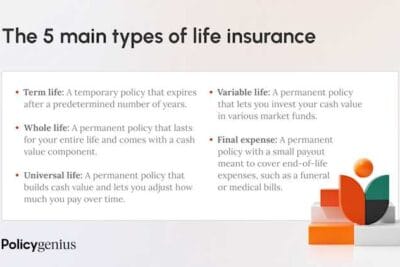
Policygenius life insurance

Business health insurance coverage

Instant life insurance

Corporate medical insurance for employees

Get health insurance for my business

Pets best cat insurance
Content that may interest you